

How to Replace a Replacement Upvc Door Lock Mechanism
A replacement Upvc lock mechanism is an excellent way of enhancing the security of your home. It is crucial to determine the kind of uPVC door lock you have to locate a replacement.
Sticking uPVC mechanisms could be caused by broken hinges inside the lock or excessive pressure. Lubricating the hinges is an easy fix.
Identifying the manufacturer
The first step to replace the uPVC door lock mechanism is to identify the manufacturer. This can be done by looking at the lock and looking for labels that have a number or name. Identifying the manufacturer will make it easier to find an exact replacement. It will also help you ensure that the lock is compatible with your door. If the lock doesn't fit correctly, it may cause problems with your uPVC window seals as well as other components.
Another sign that your uPVC door locks require replacement is when they begin to jam or squeezing in the locked position. A jamming door lock can be both inconvenient and a security risk. It is important to resolve the problem as soon as you can.
It is not as difficult as it appears to replace the door lock yourself. All you need is a basic toolkit and a bit of patience. It is easy to replace a uPVC door lock when you follow the right steps. You can also save money by doing it yourself. You can purchase the required tools at any hardware retailer. Mallets made of rubber can be used to aid in screwing the lock into place.
Test your uPVC locks after they have been replaced to make sure they're functioning correctly. Make sure the key turns easily and that there are no other issues. Contact a locksmith in the event that you find any problems.
It is great to learn how to tackle your own home improvement projects, however there are some tasks that are best left to the professionals. This is especially relevant when it comes to uPVC locks. A professional's help can save you money, time, and hassle, and it can also help prevent your insurance coverage from being invalidated due to an incorrect DIY job. Additionally, experts can provide useful tips and suggestions you may not have thought of. They can also help in choosing the best materials for uPVC door.
Verifying the Alignment of the Hinges
In the event that you need to unlock the lock mechanism, or simply need to get it cleaned in the meantime, you'll want to ensure that the door is sitting in the correct position within the frame. This is usually an indication that the hinges aren't in alignment.
This is an easy task that you can perform yourself, and should be completed in the event that your uPVC doors are not closing as they should. To check if the hinges are not in alignment, first remove the plastic covering that covers the main part of the hinge. Next, examine the gap that is located at the top and bottom of the door. The gaps should be equally If one is greater than the other, then you'll need to adjust the hinges.
Use an Allen key to make this job easier. Put the Allen key into the hole that is in the middle of the top hinge and turn a little bit at one time. Repeat this process on the centre and then the lower hinges. Once you've finished adjusting the hinges, lock and close your uPVC door to see how it locks. If replacement upvc door lock repairmywindowsanddoors.co.uk doesn't shut correctly, keep rotating the hinges a bit at a time.
In addition to adjusting the hinges, you'll want to regularly clean and lubricate your uPVC doors so that they are in good working order. This is important because changes in weather can cause your uPVC door to expand or contract slightly. This could cause your hinges to become stretched, causing your uPVC doors to become stuck or difficult to open and close.
You can clean your uPVC doors using an abrasive cloth or WD-40. Every six months, it is recommended to lubricate the uPVC with a dust resistant lubricant. This will lessen friction and keep the uPVC looking and working like new. This will help you avoid any future repairs and ensure that your uPVC doors remain safe for a long time.
Identifying the Cylinder
Before starting to adjust your uPVC lock, determine the kind of cylinder you want to use. This will allow you to select the right size screw and ensure your door is properly fitted. You can utilize a spirit level check your door's alignment, and you can determine the length of the cylinder with a measuring tape. Once you've got the data, you can start to figure out how you can adjust the hinges.
A faulty cylinder can be a security risk and must be replaced as soon as is feasible. Criminals are always looking to pick a lock to gain entry into your property and a damaged cylinder could make the process easier. The good news is that replacing or fixing your uPVC lock is an easy process that you can do yourself or with the assistance of a locksmith.
You must be aware of the indications that your cylinder is in the last stages of its life. If your handle is jammed or won't turn it's likely the time to replace. If your cylinder is damaged or has been kicked in the past, it's the time to replace it.
If your cylinder isn't functioning correctly, you should think about replacing the faceplates on your locks as well as your door handle. Lubricating your locks will keep them from becoming stuck or squeezing. This can be done by using a lubricant made of graphite, that doesn't gather dust like petroleum-based products. It is recommended to regularly lubricate your locks every six months to ensure they remain free of snags.
It is not necessary to replace your uPVC locks frequently, however it is recommended to maintain them. This will help save the cost of repairs and make your home more secure. If you aren't sure how to replace your uPVC locks or if you do not have the equipment, it is best to consult an expert. A Checkatrade certified locksmith will be able to provide you with a precise estimate for the job. Enter your postcode to find local experts near you.
Identifying the Lock
As with any household item, your uPVC door locks may present problems from time to time. These issues are generally easy to fix, and dealing with them swiftly can protect your home's security. The most common issue is a stuck lock that can cause frustration and panic in the event that you are trying to get into your home.
To resolve this issue, either lubricate the lock mechanism, or adjust it. If you notice that your uPVC lock is brittle or jams frequently, it may be time to replace the cylinder. A reputable locksmith can make sure the job is done correctly and won't cause further damage to your uPVC door.
If you are in search of an innovative uPVC locking system, it's important to identify its manufacturer. This information is available on the faceplate. Once you have this information, it will be easier to choose the right replacement lock. It will also help ensure that the new lock is compatible with your uPVC door. It is recommended to get an experienced locksmith for this work as they have tools that allow them to take the lock apart and remove any accumulated dirt or debris from the mechanism.
A locksmith can help you determine the right type of cylinder for your uPVC door. There are many different types available and each offers a unique level of security. The right cylinder will increase the security of your property and give you and your family peace of mind.
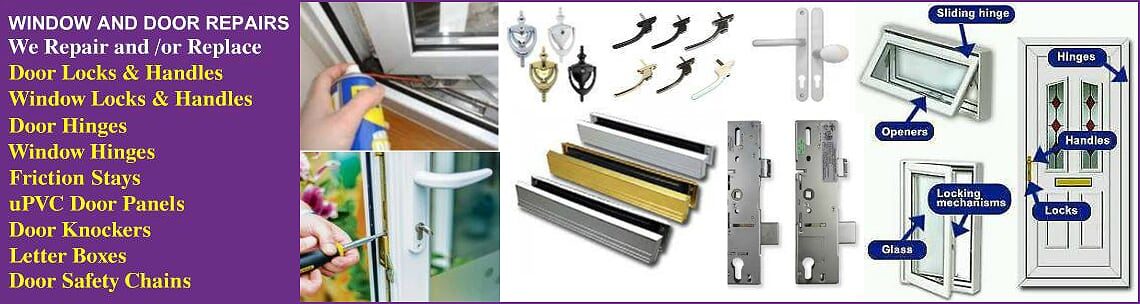
A faulty uPVC locking system can be an extremely security risk and cause major inconvenience. It is important to address the issue immediately to regain access into your home and to prevent break-ins. These tips can help troubleshoot the problem and solve it quickly. If you are unable to solve the issue yourself it is a good idea to call an expert locksmith.